


“Is this the right time for my child to start nursery?” Many parents ask themselves this as they prepare for their child’s first classroom visit and, later, when it is time to say goodbye at the nursery door. Children develop at different rates, and every family has its own routines and priorities. It also helps to understand what nursery involves, from the classroom environment to the rhythm of a typical day.
This guide explains how to think about the right age and signs of readiness, how to prepare for the first day, what to look for in a quality nursery programme, and highlights how SISB’s early years approach helps children settle in.
Nursery Readiness: Choosing the Right Time to Start
Choosing when to enrol is not simply a matter of comparing birthdays. Start by checking the age range and entry requirements of the schools you are considering. Then consider your child’s developing skills and what will help them feel secure taking this first step.
What Age for Nursery School?
The entry age for nursery varies between schools and programmes. Some nurseries welcome children from around 18 months, while others accept children from the age of 2 to 3 years old. Early years programmes may continue up to age 6, depending on how the school organises its year groups.
Age is not the only factor in placement. Schools may also consider a child’s development, readiness and their admissions criteria. For example, the statutory Early Years Foundation Stage (EYFS) framework supports learning and care from birth to age 5-6. It is organised around seven areas of learning. Schools outside England may use or adapt the framework, but it does not set a fixed age for starting nursery.
Before applying, check each school’s published age range, class structure and placement policy. When comparing an international kindergarten in Bangkok or other English schools in Thailand, ask how children are placed and what support is available as they settle into nursery.
How Do I Know If My Child Is Ready for Nursery?
Readiness is not a test, and children do not need to be confident or independent in every situation before they start. You might notice that your child:
- Shows curiosity about other children, stories or group activities.
- Can manage a short separation from a parent or familiar adult, or is beginning to build confidence with brief separations
- Communicates basic needs through words, gestures, facial expressions or other familiar cues.
- Is starting to follow simple routines, such as mealtimes or naps.
- Is making progress with toileting, if the school requires it.
Children develop these skills at different times, and they do not need to show every sign before starting nursery. If you have concerns, share information about your child’s routines, communication and interests with the school. Ask what settling-in support is available and how teachers work with families during the first weeks.
How to Prepare for the First Day of Nursery
Starting nursery can bring excitement and uncertainty. A few practical steps can help your child become familiar with the new routine and setting.
Practical Steps Before the First Day
In the weeks before nursery begins, small changes can help your child become familiar with what to expect:
- Adjust Routines Gradually: If the school day starts earlier, shift bedtime and wake-up time a little at a time. Practise mealtimes that fit the school schedule where possible.
- Practise Short Separations: Let your child spend brief periods with a trusted adult. Keep goodbyes warm and clear, and gradually extend the time if they are comfortable.
- Talk About Nursery: Read picture books about starting school and discuss what your child might see and do, such as playing, meeting a teacher or spending time outdoors.
- Prepare Belongings Together: Label your child’s items and invite them to help pack their bag.
- Check the school’s Guidance: Ask what clothing, food, and other belongings your child will need, and whether they may bring a comfort item.
- Attend an Orientation Session: If the school offers one, it can give your child a chance to see the setting and meet staff before their first full day.
If possible, visit the campus beforehand so your child can see the classroom and play areas and meet a teacher. Families comparing international schools in Nonthaburi and other major cities may want to check typical traffic and allow extra travel time, especially in the first few weeks. A manageable commute can make mornings calmer and less tiring.
Handling The First Morning and Goodbye
Allow enough time to get ready and arrive without rushing. When it is time to leave, keep your goodbye warm and brief:
- Reassure your child that their teacher will help.
- Explain when you will return in a way they can understand.
- Say goodbye clearly rather than leaving without telling them.
Some children may cry or hesitate at drop-off during the first few days. Ask the teacher how your child settles after you leave and what approach they recommend.
Supporting Your Child During the First Week
After nursery, give your child time to unwind. They may be tired, quiet or keen to talk about their day. Try an open question such as, “What did you enjoy today?” If they do not feel like talking, that is fine.
Keeping familiar routines at home can help your child feel secure as they adjust. Share any helpful observations with the teacher so you can work together to support your child. It is understandable to feel nervous as a parent; give your child time to settle into the new routine.
Choosing an International Nursery School: What SISB Offers Young Learners
A nursery programme at an international school in Thailand can provide early learning in a multilingual and culturally diverse setting. When comparing options, look beyond the name of the curriculum: consider how the school supports young children through daily interactions, play, routines and relationships with teachers. A visit is a useful opportunity to see whether the environment feels welcoming for your family.
What to Look for in a Nursery Programme
During a school visit, look for caring, qualified teachers and a safe environment designed for young children. Ask how learning through play is balanced with structured activities, and how teachers adapt their approach to different ages and developmental needs. Clear communication with families and a thoughtful settling-in process are also important.
These questions can help you understand how the programme works:
- What does a typical day look like, including time for play, meals and rest?
- How do teachers support children who need more time to settle?
- Which languages will children hear and use during the day?
- How do teachers communicate with parents about a child’s progress?
- What is the pathway from nursery into the primary and secondary-sixth form years?
Listen for answers that explain the school’s day-to-day practice, not just its general aims. It is also helpful to ask how teachers learn about a child’s interests and routines, and how parents can share information during the transition.
SISB’s Early Years Approach
SISB’s Nursery-Kindergarten programme is designed for children aged 2–6 and is based on the UK’s Early Years Foundation Stage (EYFS), with elements of the Singapore Early Years curriculum. It balances play with structured learning in a child-centred environment, supporting children’s development across social, emotional, language, cognitive and motor domains through age-appropriate activities.
SISB’s trilingual approach introduces children to English, Thai and Chinese as part of their learning experience. These early foundations support progression into later learning, including the Singapore curriculum’s strengths in mathematics and science. Families considering an international school with a Singapore curriculum can explore how this approach continues across the school’s year groups.
Flexible Nursery 1 Programmes at SISB Pracha Uthit
For the 2026–2027 academic year, SISB Pracha Uthit campus offers Nursery 1 families two programme options, each running three days a week, from Monday to Wednesday:
- Half-day: 8.00 am–12.00 pm
- Full-day: 8.00 am–2.00 pm
The Nursery 1 curriculum provides a gentle, play-based introduction to school life, helping children ease into the education system with support from caring teachers.
To learn more about the programme, availability, or which option best suits your family, please contact the SISB admissions team to discuss the right first step for your child.
From Nursery to Sixth Form: SISB’s Learning Pathway
SISB’s educational pathway spans four stages:
- Nursery-Kindergarten: Draws on the UK Early Years Foundation Stage and Singapore’s early years curriculum, balancing play and learning to support language, creativity and social skills.
- Primary: Follows the Singapore curriculum, with elements of the UK curriculum, building strong academic foundations while offering opportunities to develop student leadership.
- Secondary: The programme combines elements of the Singapore and UK curricula and leads to Cambridge IGCSE qualifications.
- Sixth Form: Students can follow the UK pathway through A Levels or choose the IB Diploma Programme, depending on their strengths and future goals.
SISB has six campuses across Thailand: Pracha Uthit, Suvarnabhumi, Thonburi, Chiang Mai, Nonthaburi and Rayong. This gives families a wide choice of locations. For students aged 8–18 who live further away or would benefit from a residential experience, the Pracha Uthit campus also offers a boarding school option, providing a supportive home away from home at SISB Bangkok.
Make the First Nursery Step with Confidence
Choosing a nursery means finding a setting where your child feels secure, is encouraged to explore, and receives support as they develop. A campus visit lets you see how teachers foster learning through play and everyday routines, helping you decide whether the school’s approach is right for your child and family.
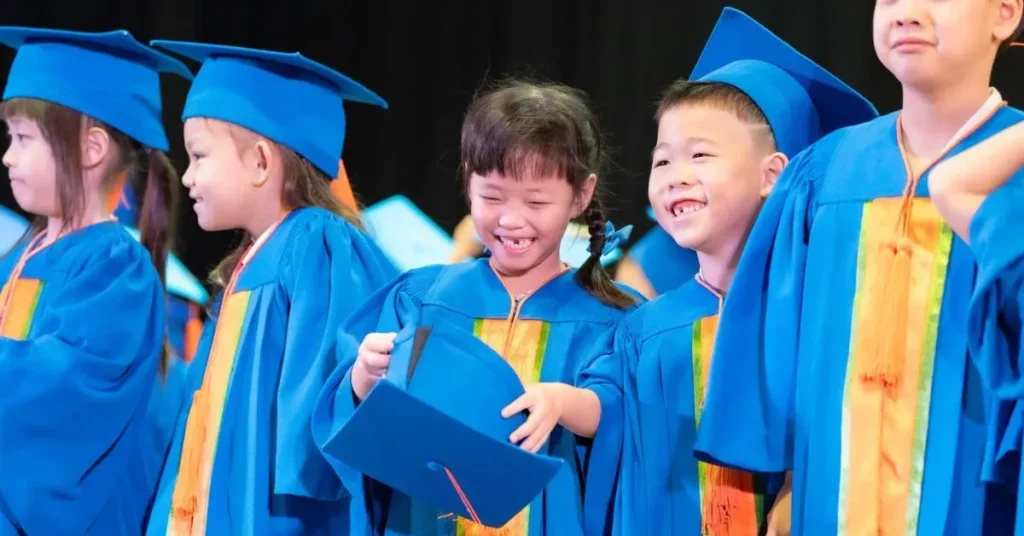
Whether you’re exploring international schools in Chiang Mai or learning more about SISB Bangkok, families can experience the school environment in person and ask questions before deciding on the next step. Contact the admissions team to discuss your child’s needs and arrange a campus visit.
SISB: Preparing Students for a Global Future
SISB is a leading international school in Thailand, offering a world-class education through a unique blend of Singapore, UK, and IB curricula. From Nursery-Kindergarten to Secondary-Sixth Form levels, we provide a holistic learning experience that goes beyond academics, fostering growth through diverse extracurricular activities. With multiple campuses across Thailand, SISB creates a truly international environment where students can thrive and become well-rounded individuals ready to succeed in a globalised world.
For more information:
- Apply now: https://sisb.openapply.com/
- Email: info@sisb.ac.th
- Phone: +66 2158 9191